


About the Global State of Citizenship report
We are pleased to present the first edition of the Global State of Citizenship report, published by the Global Citizenship Observatory (GLOBALCIT).
This report accompanies the launch of an updated version, v3, of the GLOBALCIT Citizenship Law Dataset. The Dataset includes information on the citizenship laws in 191 countries in the period 2020 to 2024 and longitudinal data on global dual citizenship acceptance since 1960. After introducing the ‘big picture’ of the variety of birthright citizenship regulations around the world and the main other ways to acquire and lose citizenship, the report highlights three themes: gender equality, immigrant inclusion, and security of status. While we strongly believe these are key issues that should concern policymakers, media, activists, and scholars, there are many other topics that appear on our radar at GLOBALCIT’s debate forum, book reviews, news section, blog series, and new citizenship literature alerts. These include the weaponisation of citizenship (including forced naturalisations), investor citizenship programmes, and reparative citizenship provisions, to name but a few. We plan to zoom in on such topics in future iterations of the Global State of Citizenship report.
This 2025 report would not have been possible without the invaluable contributions of all the over 250 country and regional experts of GLOBALCIT who have generously shared their knowledge on the history and current situation of citizenship laws around the world. We thank Rainer Bauböck for constructive feedback on a draft version of the report and Jadé Botha for final editing.
As authors, we hope that this report helps to better understand the variety in ways citizenship is regulated around the world and, importantly, why regulating the acquisition and loss of citizenship status truly matters for the lives of people around the world.
Maarten Vink, Jelena Džankić, Thomas Huddleston, Ashley Mantha-Hollands, Luuk van der Baaren
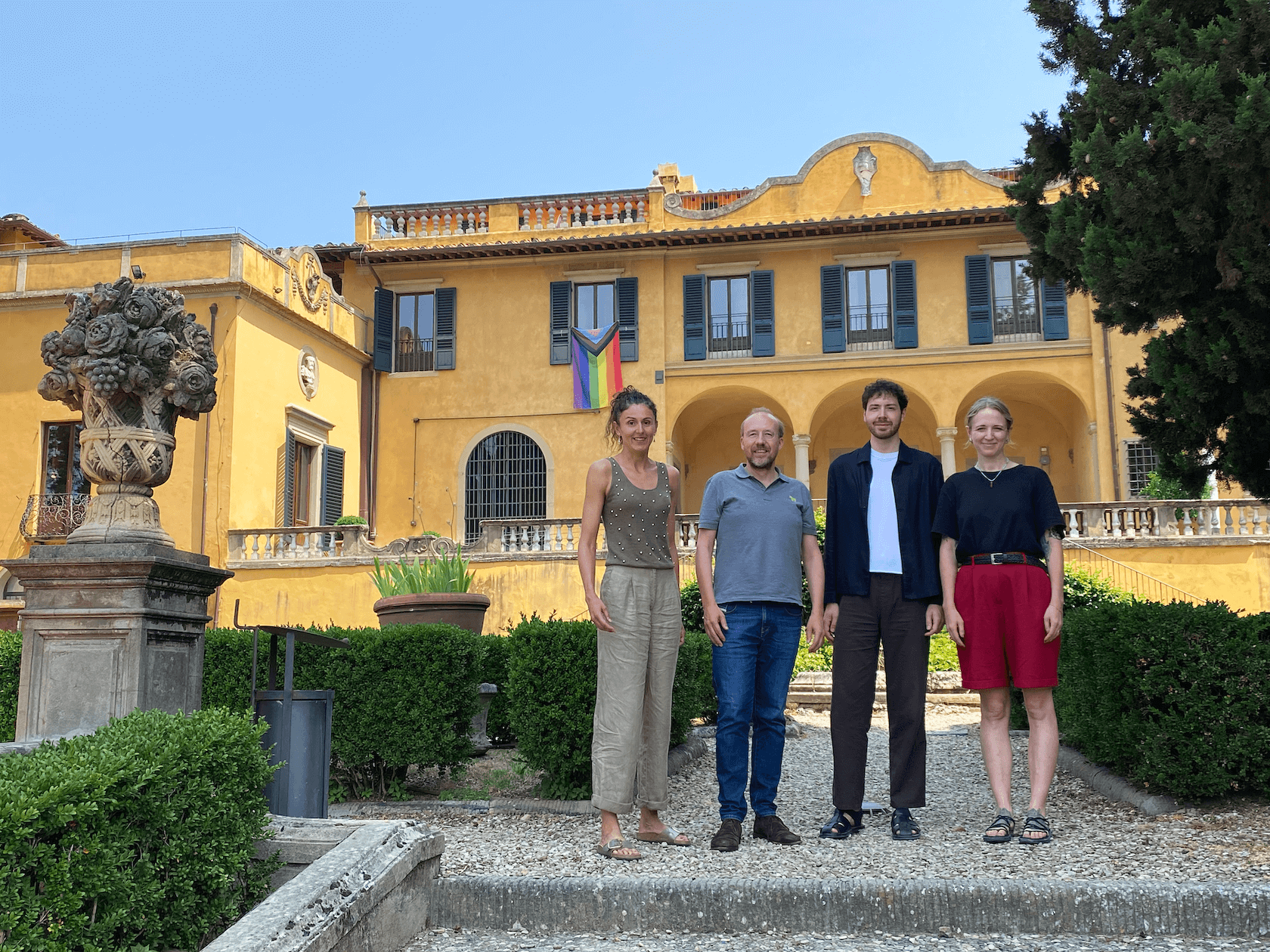
About the Global Citizenship Observatory (GLOBALCIT)
GLOBALCIT is a global research network committed to fact-based and non-partisan analysis of citizenship laws and electoral rights around the world. We are based at the European University Institute as part of the Global Governance Programme at the Robert Schuman Centre. The four Co-Directors of GLOBALCIT are Rainer Bauböck, Jelena Dzankic, Jo Shaw and Maarten Vink.
GLOBALCIT publishes databases, analyses, indicators and debates on citizenship status and electoral rights. It relies on a large international network of country experts who write country reports, collect legal documents, and, together with our regional coordinators, provide input for our comparative databases. Its user-friendly interactive tools enable the comparison of data across countries and over time.
GLOBALCIT is supported by the Global Governance Programme at the European University Institute, as well as by a research grant from the British Academy. GLOBACIT continuously explores partnerships with international organisations and research institutes that contribute to our goal of promoting research on citizenship around the globe.