


Gender equality, immigrant inclusion, and security of status
The Global State of Citizenship 2025
The Global State of Citizenship 2025 report is published by the Global Citizenship Observatory (GLOBALCIT)
No matter where or to whom we are born, we all have the right to be recognised as a citizen of at least one country. Even so, we live in a world where over four million people are stateless, because their citizenship remains denied or unrecognised. Living up to the promise of eradicating statelessness is challenging, because each state decides on how its citizenship can be acquired and lost. In this report, we map the variety of ways in which states regulate citizenship. In so doing, we identify the obstacles that individuals face in being recognised as citizens that arise from different and uncoordinated approaches of states around the world.
Download the full report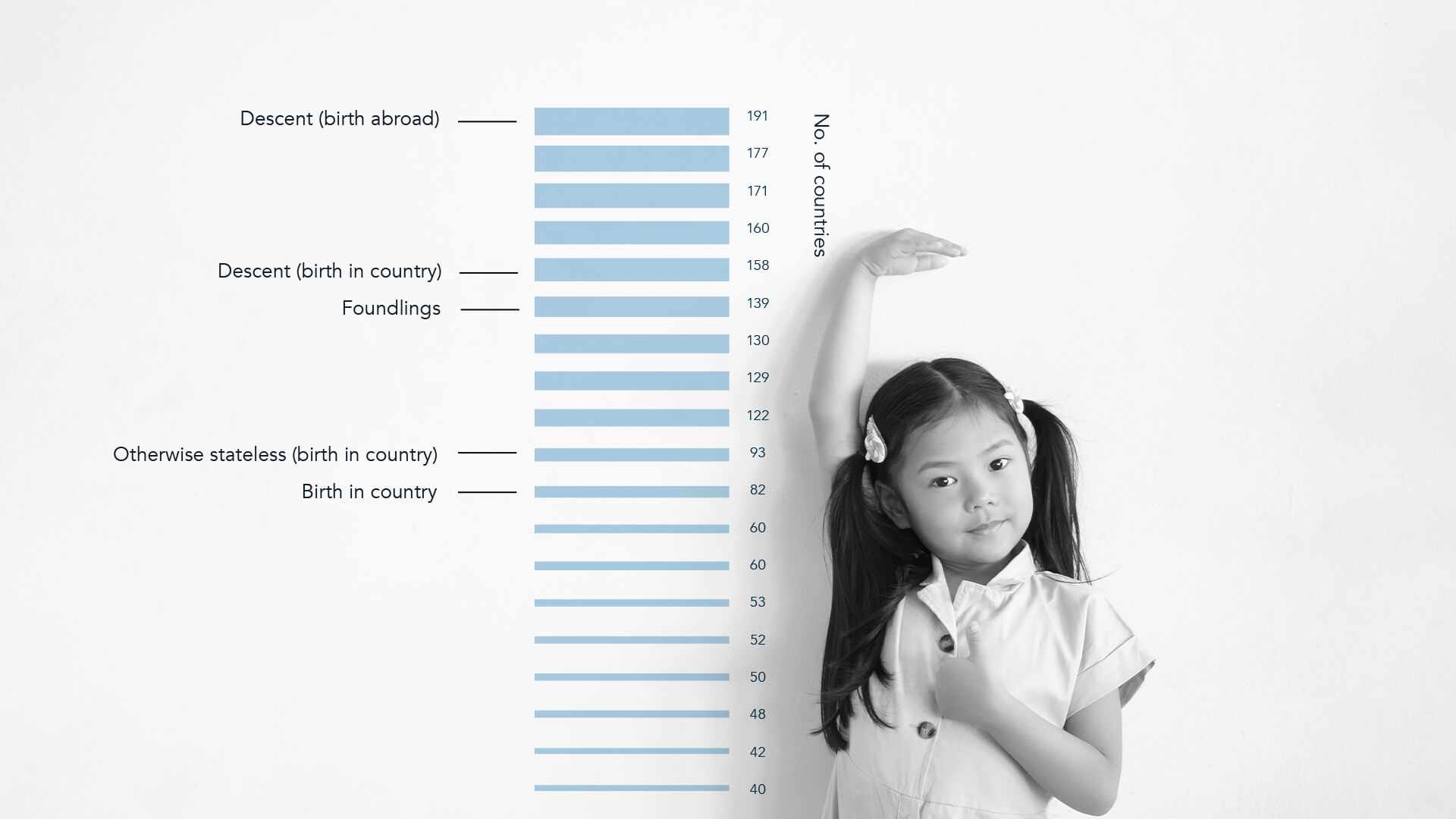
Birthright citizenship
People obtain birthright citizenship either through one or both parents who are citizens, or by being born in a country’s territory. These are not mutually exclusive; most states use both. 43% of countries grant citizenship based on birth in the territory.
In the Americas, most states do so without any further conditions. Elsewhere, it often depends on the parents’ residence status or birthplace. Many countries also recognise nationality to foundlings or children who would otherwise be stateless.
All countries grant citizenship to children of their citizens born abroad, with over half doing so without restrictions.
The most common limitation applies when both citizen parents are born abroad. In about 20% of countries, parents born abroad cannot pass on citizenship if their child is also born abroad, or they can only do so after residing in their country of citizenship for a certain period prior to the child’s birth.
Dual citizenship
One of the major trends globally is the increasing acceptance of multiple citizenship, whereby a person is recognised as a citizen by two or more states. These legal links to two states are nowadays seen as an inevitable and generally unproblematic reflection of a globalised world where many people have either migrated across borders in their lifetime or are descendants of people who have done so.
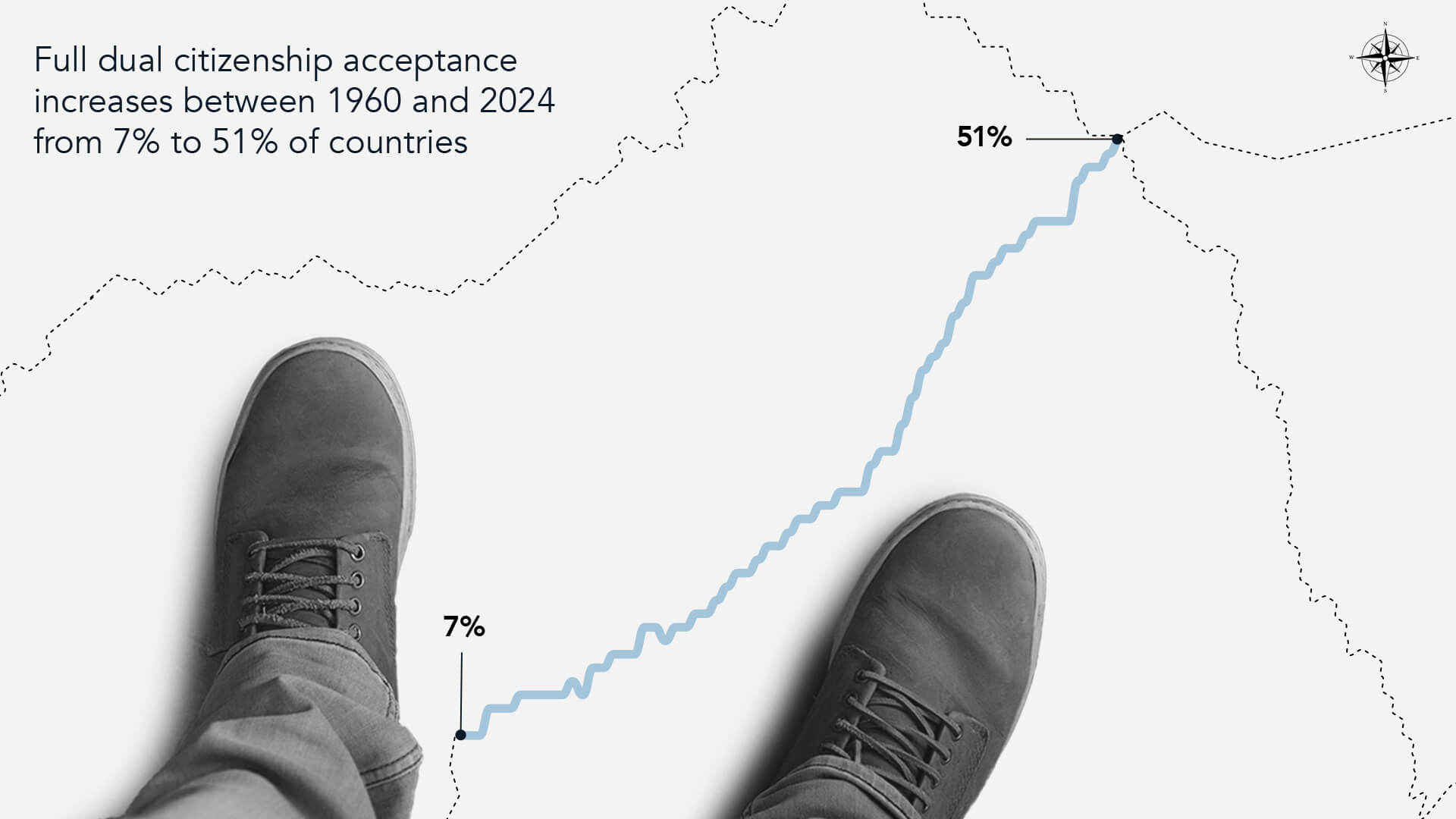
Traditionally, dual citizenship was viewed as problematic due to citizens’ potentially conflicting loyalties, especially in times of interstate armed conflicts. Going back to 1960, we see that over 90% of countries restricted dual citizenship in one way or another.
By contrast, in 2024, half of all countries fully accept dual citizenship, whereas only one-fifth consistently restrict dual citizenship at naturalisation. Almost a third of countries only accept dual citizenship for citizens naturalising abroad (20%) or only for immigrants naturalising in a country (9%).
Gender equality
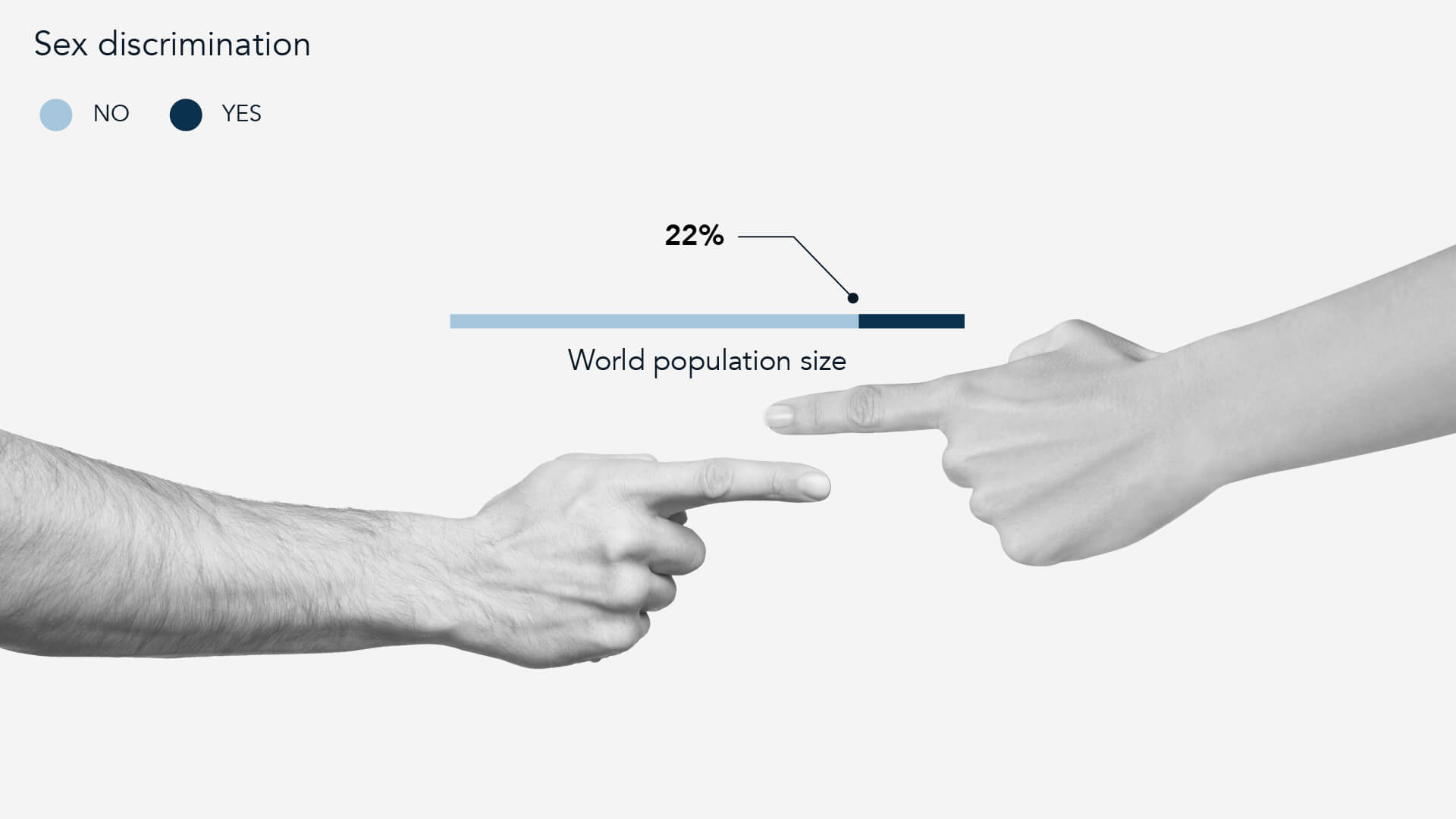
Discrimination in citizenship law based on sex, gender, or sexual orientation is increasingly exceptional but still pervasive in parts of the world. Over the past century, many countries have reformed their laws, yet 50 out of 191 still maintain discriminatory nationality provisions. Most of these are in Asia (especially the Middle East) and North Africa. In 8% of countries, mothers cannot pass citizenship to children born in the country; in 11%, they cannot do so if the child is born abroad — only fathers can. Discrimination is also widespread in citizenship laws related to marriage. In 43 countries, only women can acquire their spouse’s citizenship (17%) or the requirements differ by sex (5%). All in all, nearly two billion people are living under gender discriminatory citizenship laws today.
Immigrant inclusion
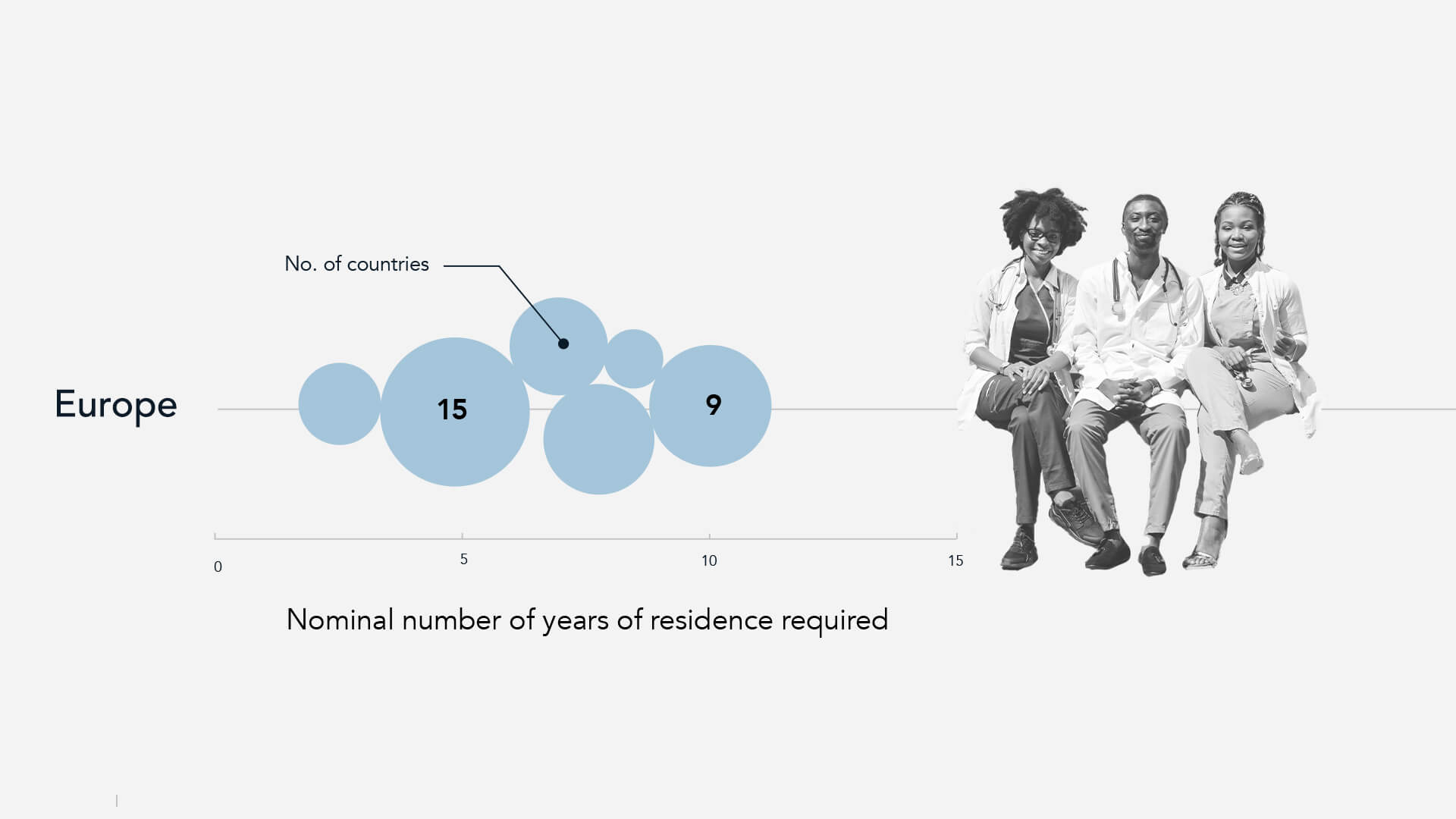
For immigrants, becoming a new citizen of the country where they live signals a key moment in the lifelong processes of inclusion and belonging. Citizenship laws shape immigrants’ opportunity to become citizens of their new country, but the legal requirements for ordinary naturalisation vary greatly between countries and world regions. One main requirement is the waiting time: how long do countries make immigrants wait before they can apply? Five years is the most common residence requirement across all regions except Africa, where the requirements are evenly split between five and ten years. Immigrants benefit from shorter residence requirements in 17 countries, particularly in the Americas. Globally, the average required period is seven years. One-third of the world’s foreign-born live in countries that require more than five years of residence. One in four countries requires 10 years or more.
Security of status
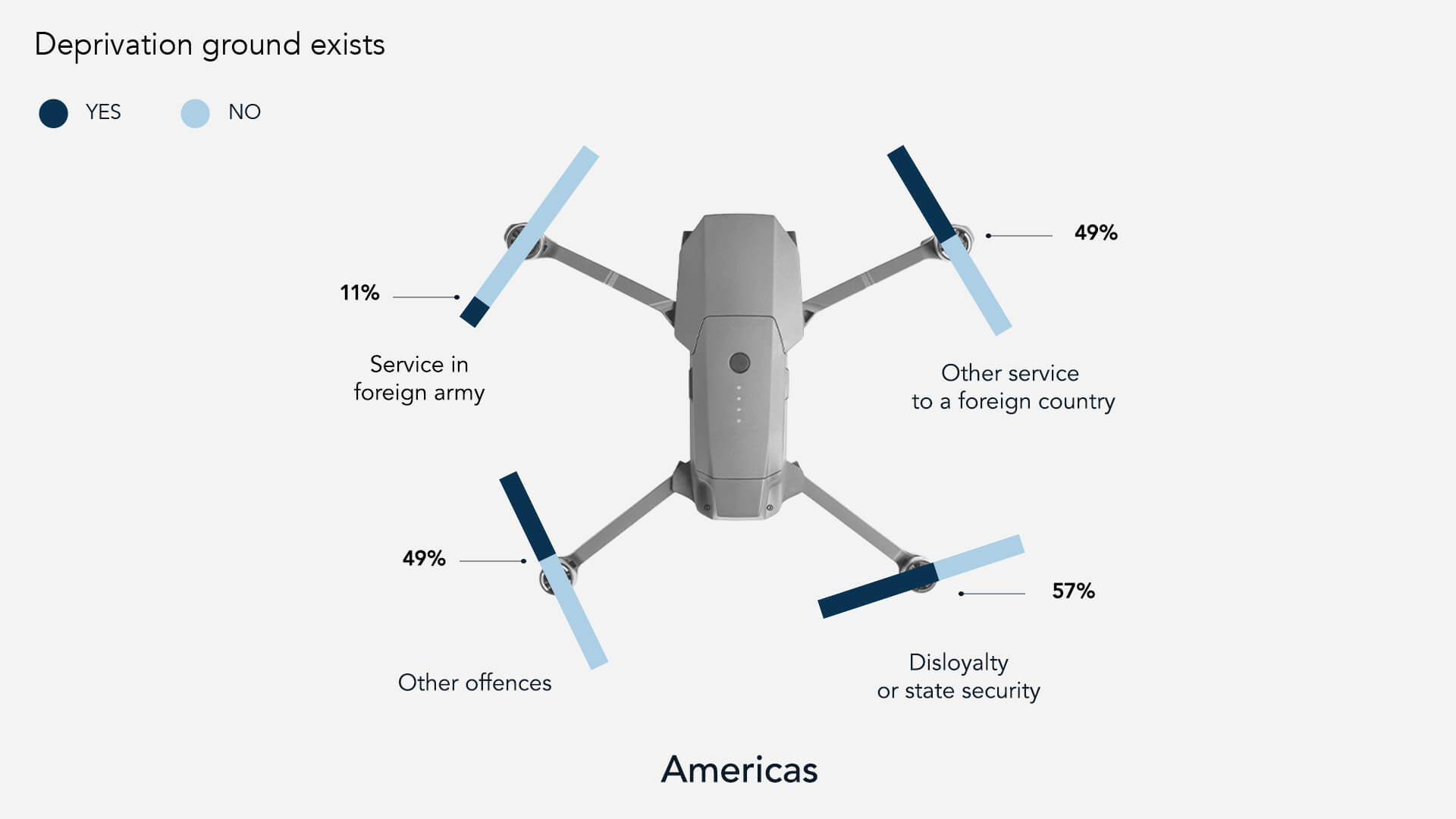
Citizenship law governs not only how citizenship is acquired, but also how it can be lost. In most countries, individuals can voluntarily renounce their citizenship if doing so will not leave them stateless. However, states can also revoke citizenship involuntarily, with severe consequences — loss of citizens’ rights, risk of statelessness, and potential inability to return to any country. Provisions for stripping citizenship have grown over recent decades, making the status of citizenship not truly secure. These rules are often justified on national security grounds. Currently, two-thirds of countries allow deprivation of citizenship for acts of disloyalty or threats to state security, such as treason or terrorism. This practice is common worldwide: 50% of countries in Oceania, 67% in Europe, and 80% in Africa. Other security-related grounds for revocation vary by region. Critically, such provisions are often discriminatory, for example, when they apply only to persons who were not born as citizens.
As seen in